

Relax | Reset | Rejuvenate
with Bowen Therapy
Based in Salisbury & the New Forest
Hello
Are you looking for a holistic hands-on therapy that is highly effective whilst being gentle and deeply relaxing? I am delighted to offer you just that, in the form of Bowen Therapy.
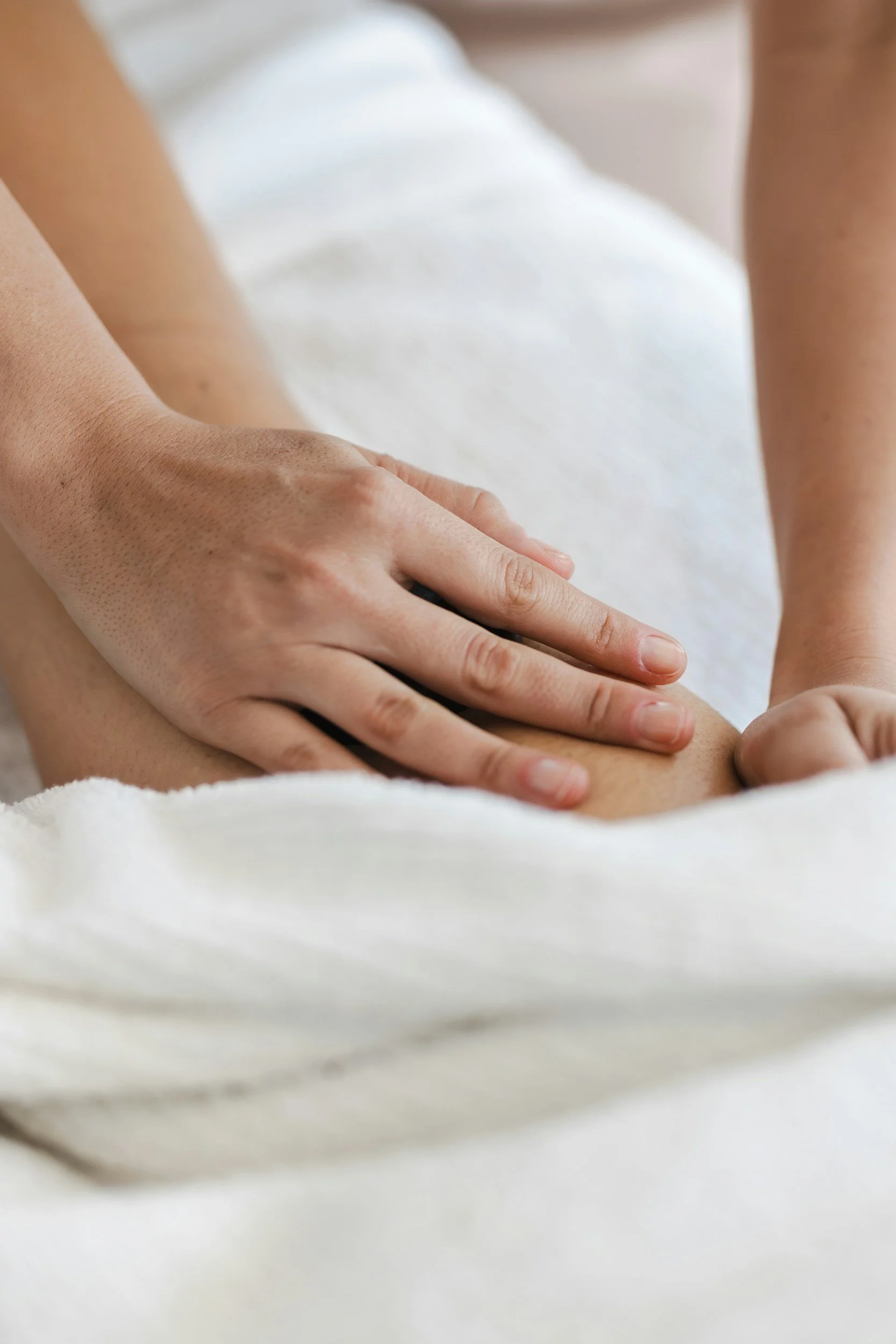
What is Bowen Therapy?
"The Bowen Technique is one of the newest and most exciting forms of therapeutic body work."
The Bowen Therapy
Professional Association
During Bowen Therapy (sometimes called Bowen Technique) the therapist uses their hands to make small, light moves over soft tissues (ie: muscles, ligaments, tendons and connective tissue or fascia) in specific places on the body.
The work is based on the belief that these precise, gentle moves can influence the nervous system and fascia, and thus all areas & systems in the body. By releasing stress at a deep level, Bowen encourages a reset to ‘rest, digest & repair’ mode – the optimal state for rejuvenation and healing.
Bowen Therapy can thus help:
• release tension in the body,
• ease anxiety and stress, and promote emotional and mental
well-being,
• aid good sleep,
• alongside conventional medical care, help you manage or cope with a specific physical, mental or emotional symptoms,
• help improve quality of life, alongside conventional medical care, for people living with certain chronic health conditions,
• promote general good health and maintenance of overall
body functioning
• revitalise the whole body, brining a sense of sense of well-
being.
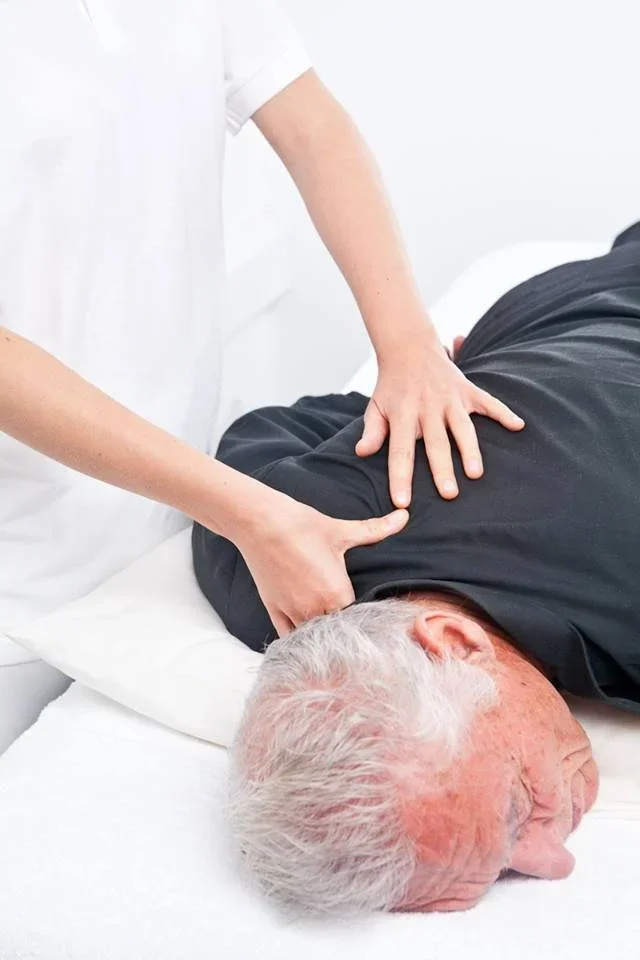
Clients invariably find treatments a pleasant and deeply relaxing experience for both body & mind.
Bowen is a low-risk therapy with virtually no contraindications. Because it requires only a very light touch, it is suitable for people who may not be able to tolerate a stronger or more intense treatment.
PLEASE NOTE: Therapy is not a substitute for conventional traditional medical advice or treatment. Any medical condition should be assessed and diagnosed by a suitably qualified medical practitioner.
‘Bowen Therapy Explained’ Click here to watch Bowen therapists explaining what it is and how it works.
-
The techniques were developed by Tom Bowen in Australia (1950s-80s), where it is more widely known than in the UK. It is now practiced worldwide, and continues to evolve, incorporating new understandings of fascia, anatomy, and connections to other healing modalities such as traditional Chinese medicine.
-
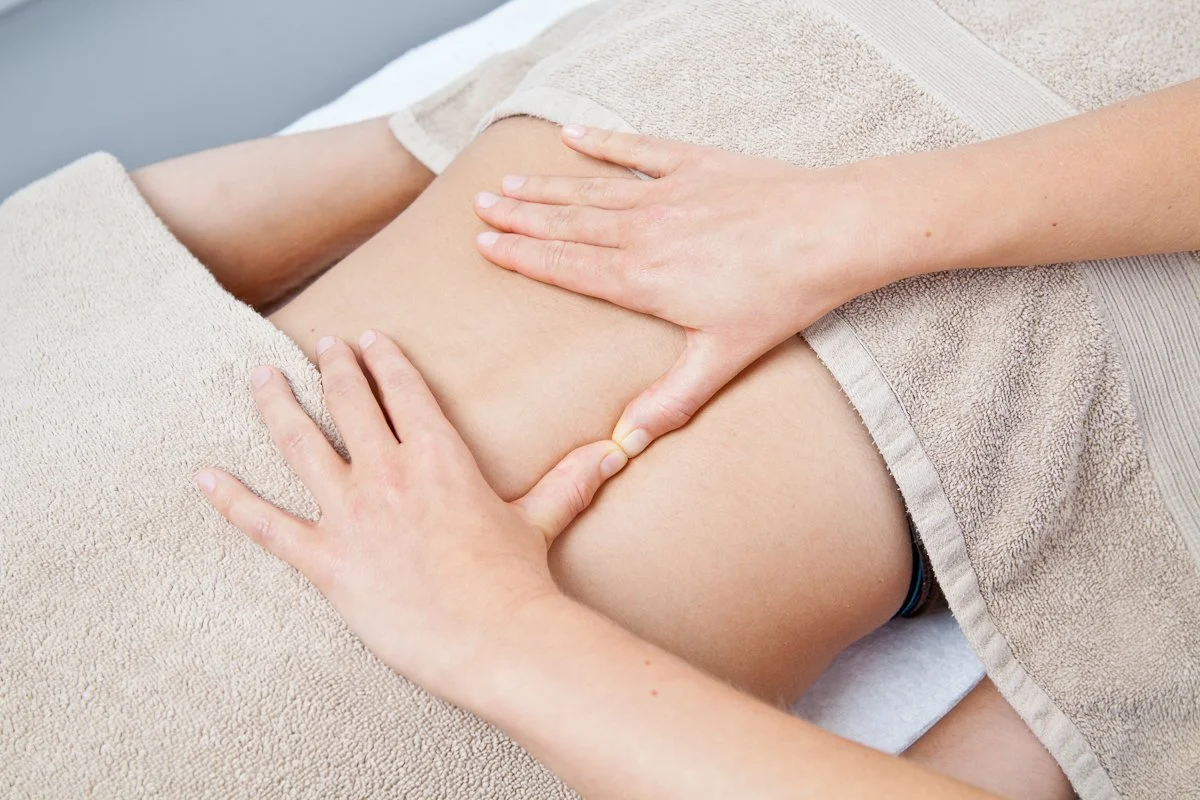
With Bowen there are no adjustments made to bones or joints, and the touch is very gentle. Instead of the therapist doing 'the work', the aim is to provide an environment that supports the client's own body to make beneficial changes.
A Bowen session is calm and measured, although it isn’t massage - instead of kneading muscles or repeating long strokes, Bowen involves small, brief moves over particular places on the body.
Unique to Bowen Therapy are the short pauses given during the treatment session. These breaks give time for the body to relax, and for tissues and brain to communicate, process the information and respond accordingly.
Treatment can be done though light clothing, so clients can remain dressed if they wish.
-
Practitioners and researchers have put forward several explanations of what might be going on during Bowen Therapy, and I will them recount some of them here. As Bowen may influence many different body systems, each or all of these factors may play a part, depending on where the moves are made and on individual responses.
Fascial & neurological connections
Pain, inflammation, mobility restrictions and many other conditions are often related to problems in the fascia.
What is fascia? Fascia is the strong yet flexible connective tissue that lies under the skin, and is found around and through every part of the body – including muscles, tendons, ligaments, bone, nerves, organs and gut, forming a continuous 3D web from head to feet.
It separates & supports tissues, facilitates movement and transmits mechanical forces between muscles, so influencing alignment.
Facia also plays a vital role in the sensing & transmitting of information between tissues and the brain.
Because fascia interconnects and influences every part of the body, if it becomes stiff, tight or dehydrated in an area - which may be due to injury, surgery, inflammation, lack of movement or repeated movement, poor posture, physical or emotional trauma, or stress - other tissues and parts of the body are also affected.
Bowen & fascia. Fascia appears to respond well to a light touch. The Bowen ‘moves’ send gentle impulses into skin and fascia lying just below it, and also into the deeper fascia layers around and within underlying tissues.
When receptors within soft tissues are stimulated, tiny-but-measurable (Piezoelectric) charges are created, and relay information about the state of that tissue to the brain. The brain can then recognise and decide on what adjustments might be needed, and initiate healing responses, including stimulation or relaxation of fascia, to reduce tension and holding patterns, and rebalance the whole body in many ways.
‘Messages’ can be thus transmitted via fascia and nerves throughout the body, including to/from deeper tissues and organs. This is how responses to treatment might be experienced in the local area, or in other parts, including potentially all the bodily systems (eg: muscular, skeletal, cardio-vascular, respiratory, digestive, immune, hormonal nervous, lymphatic, urinary, reproductive systems).
The ‘therapeutic pauses’ during Bowen treatment gives time for the body to relax, for the brain to process and respond to the information it has receive, and then for muscles to begin to respond to neurological messages sent from the brain.
Nervous system balance
The profound connection between fascia and the nervous system may explain how Bowen helps rebalance the autonomic nervous system (which controls the majority of the body’s functions), shifting dominance from sympathetic (“fight or flight”) to parasympathetic nervous systems. When this happens, body and mind fall into deep relaxation. When muscle tension is released, pain is reduced, and flexibility & alignment improved.
Activation of the parasympathetic nervous system puts the whole body into a condition that is highly conducive to healing, hence it is known as ‘rest, digest and repair’ mode.
Emotional, as well as physical, factors can contribute to tight fascia. It is believed that treatments such as Bowen that also help regulate the nervous system may be more effective than addressing the mechanical aspects alone.
And there’s more …
It has been proposed that by stimulating the soft tissues, Bowen encourages hydration, blood flow and lymphatic drainage. These properties promote the delivery of oxygen & vital nutrients to the cells, and the removal of waste products, and help to reduce painful swelling. Fascia needs to be well-hydrated to move freely and function well.
Several of the Bowen move locations correlate to recognised acupuncture/acupressure points along traditional Chinese medicine meridians, signifying an energetic component to the work.
It has been suggested that gentle manipulation across, rather than along, the direction of muscle fibres, such as in Bowen, appears to be more effective at releasing tension and increasing range of movement in fascia and muscle.
The Bowen Therapy Professional Association is collecting evidence for the benefits of Bowen Therapy. You can read more here: BTPA Bowen Therapy Research
About me
5 minutes into my first Bowen session, I heard myself sighing deeply and realised I was falling into a wonderfully relaxed state, emotionally and physically. Having arrived somewhat flustered, I was amazed - how could I now be so relaxed after someone had made just a few, insignificant-seeming moves on my body?
I’ve been fascinated in holistic health & wellbeing since my teenage years, when I had a painful injury successfully treated in one session with an osteopath, and l was wowed by the incredible workings of the human body while studying for my BSc in Biology.
Over the years and with various modalities, I’ve experienced many of the benefits that remedial bodywork can bring - rehabilitation, pain relief, emotional release, and profound healing. I did develop a belief however, that my body responded best to ‘strong’ (and possibly uncomfortable!) hands-on treatments, so I was totally intrigued by my gentle Bowen experience. I needed to find out more about this unusual treatment …
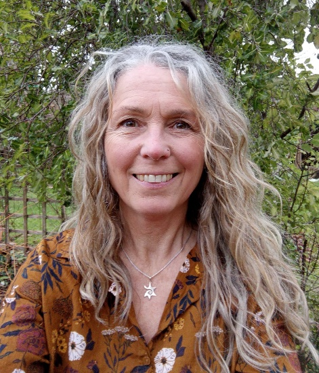
Fast-forward a few years and, having been fortunate to study with the College of Bowen Studies in Devon, I’ve learnt that gentle can be just as effective as intense, and I’m delighted to be able to offer this remarkable healing therapy to you! What a privilege it is for people to put their trust in me and this work. It is always a delight to see how people respond to the simple Bowen moves, both physically and emotionally, leaving the therapy room feeling relaxed and positive.
I’m fully insured, and a registered member of the UK Bowen Professional Therapist Association (BPTA), who ensure the highest standards from their practitioners and provide a professional code of conduct for our work. I take part in regular practitioner development training to further improve my knowledge and skills.

HAVE YOU TRIED BOWEN THERAPY?
The Bowen Therapy Professional Association are gathering information about clients’ experiences and would love to hear from you! If you have a couple of spare minutes, please share your feedback below:
TESTIMONIALS
“The treatment was gentle but really effective, and I left feeling much more relaxed. I’d definitely recommend Harrie for Bowen therapy”
TE, Fordingbridge
Get in touch
If you would like to have a chat with me about Bowen Therapy or whether it may be suitable for you, please don’t hesitate to get in touch!
Terms & Conditions | Privacy policy | ICO registration
Terms & Conditions
Privacy policy
ICO registration
Harrie Frost Bowen Therapy 2026
Harrie Frost Bowen Therapy 2026